Skip to the content Skip to the navigation
Decagon Devices
Contact us
US: 1.800.755.2751
International: +1.509.332.2756
  • Home
  • Products
    • Water Activity Meters
    • Moisture Analyzers
    • Moisture Sorption Analyzers
    • Accessories
  • Applications
    • Snack Foods and Water Activity
    • Candy and Confectionary
    • Cereal and Grain Products
    • Coffee and Tea
    • Cosmetics
    • Plastics and Other Materials
    • Nuts and Dried Fruit
    • Pet Food
    • Pharmaceuticals
    • Powders and Spices
    • Processed and Cured Meats
    • Sauces and Dressings
    • Seeds
    • Tobacco
  • Services
    • AquaLab Annual Calibration Service
    • AquaLab Extended Warranty Plan
    • Isotherm Testing Lab
    • Isotherm Generator On-Site Installation
  • Education
  • Support
  • Order Supplies
  • Where to buy
  • About Us
    • About Us
    • Contact Us
    • Sister Companies
    • AquaLab VSA Grant Winner Announced
    • Employment
    • People
Education
Subscribe to
newsletter
Tips, tricks, and Scholarships
Email to
a Friend
Send this page link to a friend
See Virtual
Seminars
Current and archived topics

Hurdle Technology Improves Food Preservation

  • Products:
    • AquaLab Dew Point Water Activity Meter 4TE,
    • AquaLab Series 4TEV

SEVERAL YEARS AGO, HURDLE TECHNOLOGY* was developed as a new concept for the realization of safe, stable, nutritious, tasty, and economical foods. It employs the intelligent combination of different preservation factors or techniques to achieve multi-target, mild but reliable preservation effects.

Mild processing of foods with hurdle technology.

Many promising hurdles have been identified so far, although application of the idea in the food industry has been largely restricted to the meat sector. Recent studies, however, emphasize a much wider potential application, e.g., in bakery products, fish, and dairy products. More specifically, the concept was introduced into mild processing of fruits and vegetables. The design of new hurdles such as gas packaging, bioconservation, bacterocins, ultrahigh pressure treatment, and edible coatings aided this development.

Consumers want fresher food products.

Consumers demand fresher and more natural products. This prompts food manufacturers to use milder preservation techniques and could be stimulating the current trend to hurdle technology. There is an urgent need for new or improved methods producing stable and safe foods. The concept of hurdle technology addresses this need.

Preservation factors are hurdles to inhibit microorganisms.

Hurdle technology deliberately combines existing and new preservation techniques to establish a series of preservative factors (hurdles) that the microorganisms in question are unable to overcome (jump over). These hurdles may be temperature, water activity, acidity, redox potential, preservatives, and others. A crucial phenomenon in hurdle technology is known as the homeostasis of microorganisms.

Hurdles disturb homeostasis.

Homeostasis is the constant tendency of microorganisms to maintain a stable and balanced (uniform) internal environment. Preservative factors functioning as hurdles can disturb one or more of the homeostasis mechanisms, thereby preventing microorganisms from multiplying and causing them to remain inactive or even die. Food preservation is achieved by disturbing the homeostasis of microorganisms. The best way to do this is to deliberately disturb several homeostasis mechanisms simultaneously.

Multiple hurdles affect product quality least.

This multi-targeted approach is the essence of hurdle technology. It is more effective than single targeting and allows hurdles of lower intensity, improving product quality. There is the further possibility that different hurdles in a food not only have an added effect on stability, but can act synergistically.

Shelf-life of fermented sausage: an example.

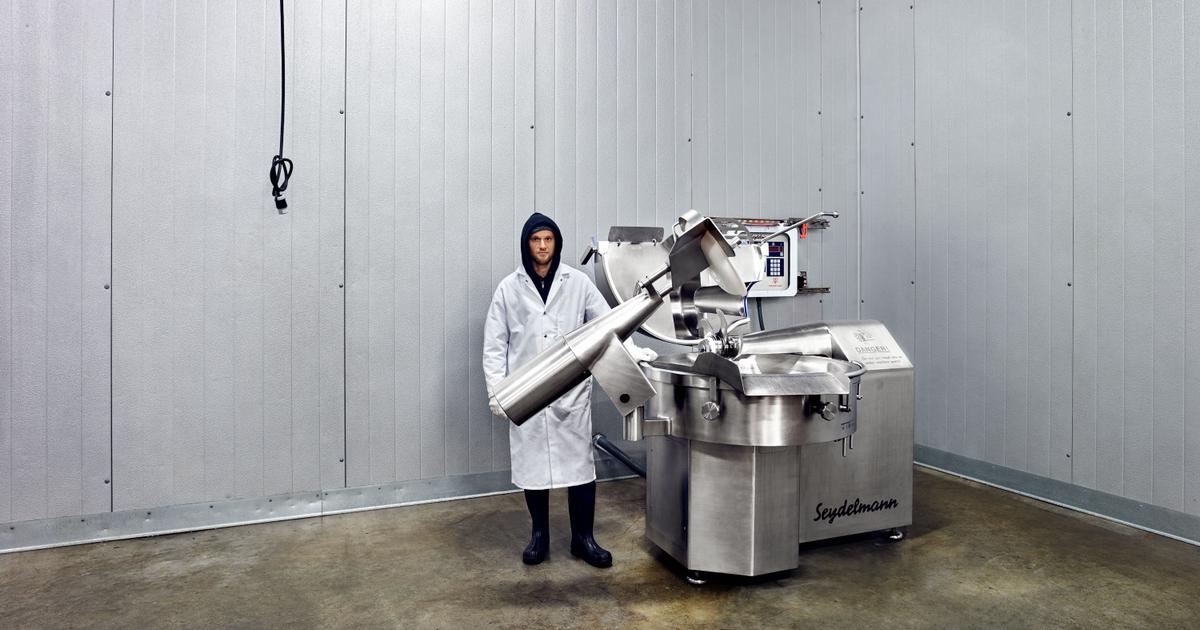
Using hurdle technology, salamitype fermented sausages are produced that are stable at ambient temperature for extended periods. A sequence of hurdles is important at different stages of the ripening process. The first hurdles used are the preservatives, salt and nitrite, which inhibit many of the bacteria present in the batter. Other bacteria multiply, use up oxygen and thereby cause a drop in redox potential, which inhibits aerobic organisms and favors the selection of lactic-acid bacteria. These bacteria then proliferate, causing product acidification and an increase of the pH hurdle. During the long ripening process of salami, the initial hurdles gradually become weaker: nitrite is depleted, the number of lactic-acid bacteria decreases, redox potential and pH increase. However, since water activity decreases with time it becomes the main hurdle.

An increasing list of hurdles.

About 50 different hurdles have been identified in food preservation. Apart from the most important and commonly used hurdles such as temperature, pH, and water activity, there are many others of potential value. Other hurdles include: ultrahigh pressure, mano-thermo-sonication, photodynamic inactivation, modified atmosphere packaging of both nonrespiring and respiring products, edible coatings, ethanol, maillard reaction products and bacteriocins. Examples of foods preserved by combined processes are fruit juices and heat-processed, cured meat products.

*Hurdle Technology also called: combined processes, combined methods, combination preservation, combination techniques, or barrier technology.


Sign up for News & Updates

2365 NE Hopkins Court
Pullman, WA 99163 - USA
1-800-755-2751 / Int'l: 509-332-2756
© 2012 Decagon Devices, Inc. - All Rights Reserved