Skip to the content Skip to the navigation
Decagon Devices
Contact us
US: 1.800.755.2751
International: +1.509.332.2756
  • Home
  • Products
    • Water Activity Meters
    • Moisture Analyzers
    • Moisture Sorption Analyzers
    • Accessories
  • Applications
    • Snack Foods and Water Activity
    • Candy and Confectionary
    • Cereal and Grain Products
    • Coffee and Tea
    • Cosmetics
    • Plastics and Other Materials
    • Nuts and Dried Fruit
    • Pet Food
    • Pharmaceuticals
    • Powders and Spices
    • Processed and Cured Meats
    • Sauces and Dressings
    • Seeds
    • Tobacco
  • Services
    • AquaLab Annual Calibration Service
    • AquaLab Extended Warranty Plan
    • Isotherm Testing Lab
    • Isotherm Generator On-Site Installation
  • Education
  • Support
  • Order Supplies
  • Where to buy
  • About Us
    • About Us
    • Contact Us
    • Sister Companies
    • AquaLab VSA Grant Winner Announced
    • Employment
    • People
Applications
  • Snack Foods and Water Activity
  • Candy and Confectionary
  • Cereal and Grain Products
  • Coffee and Tea
  • Cosmetics
  • Plastics and Other Materials
  • Nuts and Dried Fruit
  • Pet Food
  • Pharmaceuticals
  • Powders and Spices
  • Processed and Cured Meats
  • Sauces and Dressings
  • Seeds
  • Tobacco
Subscribe to
newsletter
Tips, tricks, and Scholarships
Email to
a Friend
Send this page link to a friend
See Virtual
Seminars
Current and archived topics

Microbial Growth

Microbial growth is to water activity as Bob Marley is to reggae.  Microbial growth is the reason water activity began to be used in the food industry.  Before the discovery that water activity controls microbial growth, food producers never knew why some batches molded and others didn't.  They suspected it had something to do with water, but everyone knows that high-moisture salt pork doesn't mold, while low moisture nuts still do. 

Protecting against food spoilage.

In 1953, W J Scott established that water activity activity is the key to determining if microorganisms will grow.  Since yeast, molds and bacteria require a certain amount of available water to support growth, designing a product with an aw below 0.6 provides an effective control. Water activity is defined as the equilibrium relative humidity (ERH) divided by 100. Some common spoilage organisms and their aw limits are listed in Table 1 (click for a larger version). 


Water activity is a better index for microbial growth than water content.

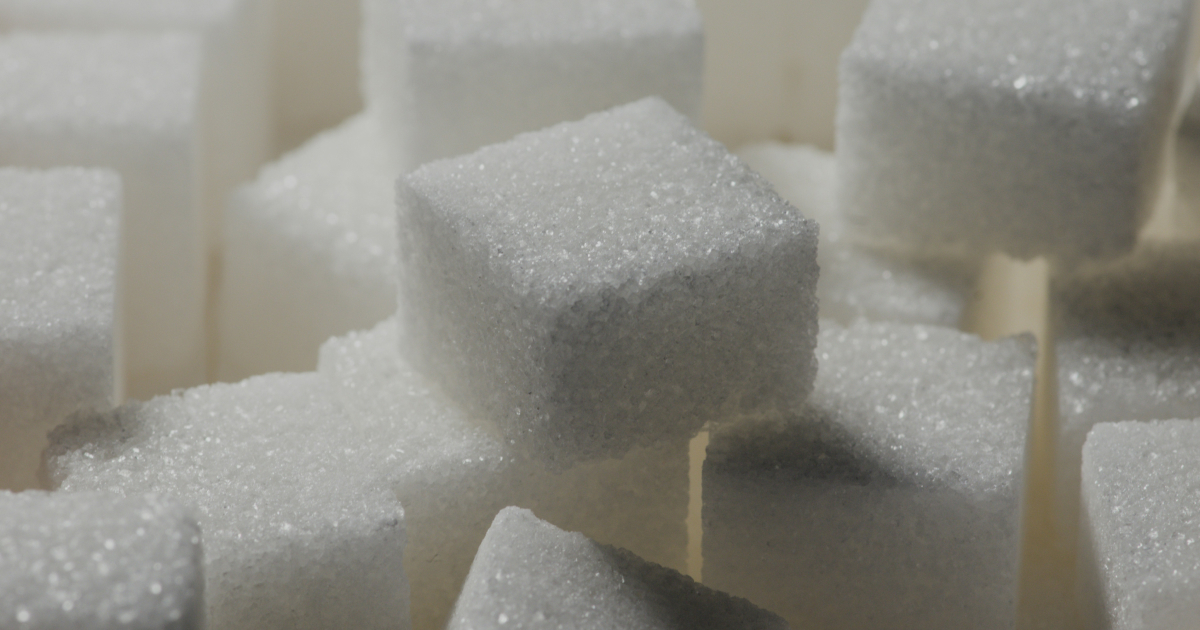
Water activity better predicts the growth of microorganisms because microorganisms can only use "available" water, which differs considerably depending on the solute. On average, ions bind the most water, whereas polymers bind the least water; sugars and peptides fall into an intermediate position. At the same molecular concentration, salt lowers the water activity more than sugar.

When a substance is added to lower water activity, the result can be complicated. Ideally, an inert material could be added which would decrease water activity without any other effects such as increased ionic strength and decreased surface tension. In reality, the choice of substance can have a profound effect. For instance, salt could be added to one reaction mixture and sugar to another. The amounts can be controlled so that the resulting compounds have identical water activity. But the results of the reaction will differ because of the differing influences of salt and sugar on biological reactions. Salt and sugar form different additional hurdles.


Sign up for News & Updates

2365 NE Hopkins Court
Pullman, WA 99163 - USA
1-800-755-2751 / Int'l: 509-332-2756
© 2012 Decagon Devices, Inc. - All Rights Reserved